


When you think the boss is wrong, you write it down
Senator Bernie Sanders released over 250 pages of CDC emails this week. A former top CDC scientist, Dr. Debra Houry, gave them to Congress (first reported by The New York Times). They cover the first months of Robert F. Kennedy Jr.’s time as health secretary.
It started with the flu ads.
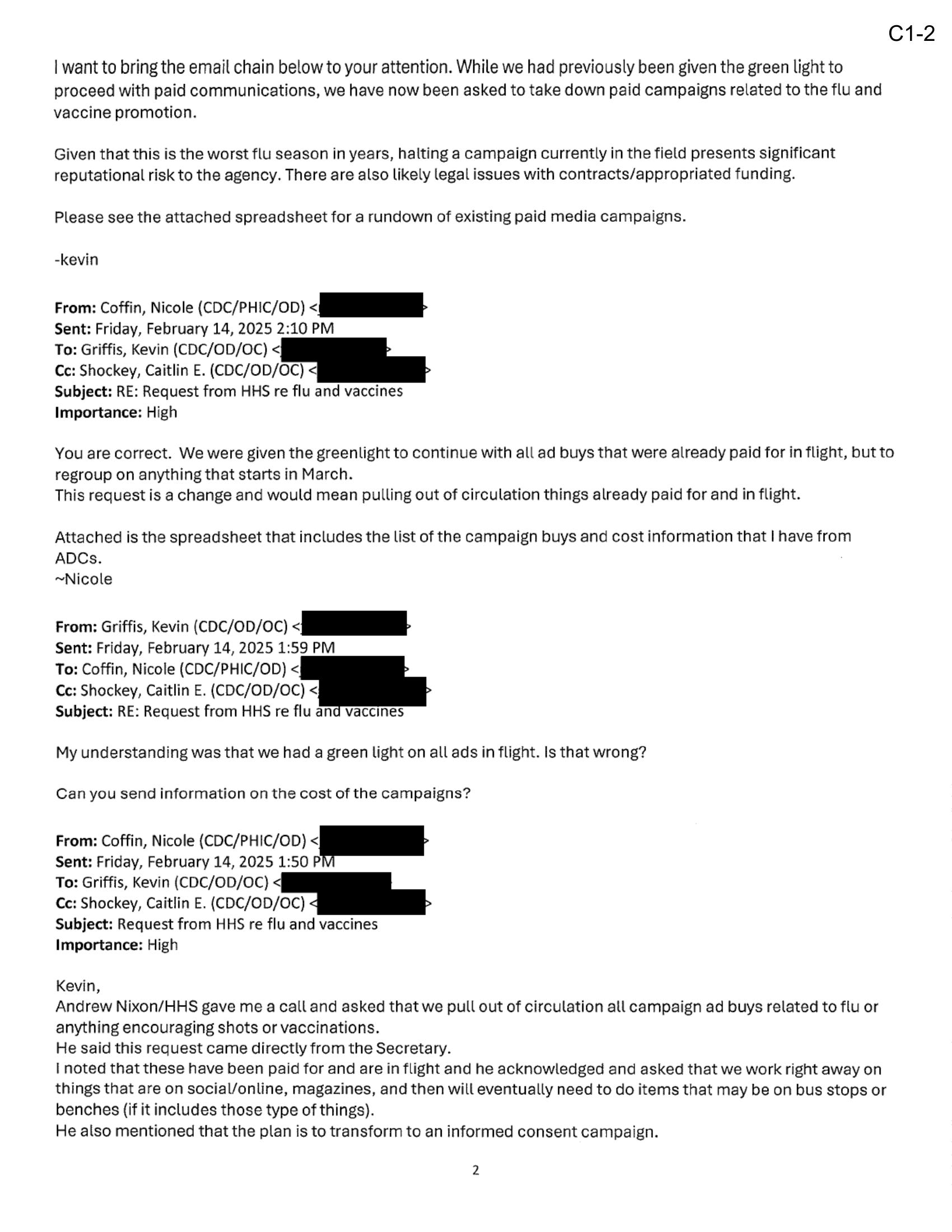
The day after Kennedy was sworn in, his office told the CDC to pull its flu shot ads. The country was in the middle of a bad flu season. CDC’s communications chief Kevin Griffis put his objection in writing: stopping the campaign mid-season carried “significant reputational risk” and likely “legal issues.” The aides’ stated plan was to replace it with an “informed consent” campaign.
Remaking the vaccine panel.
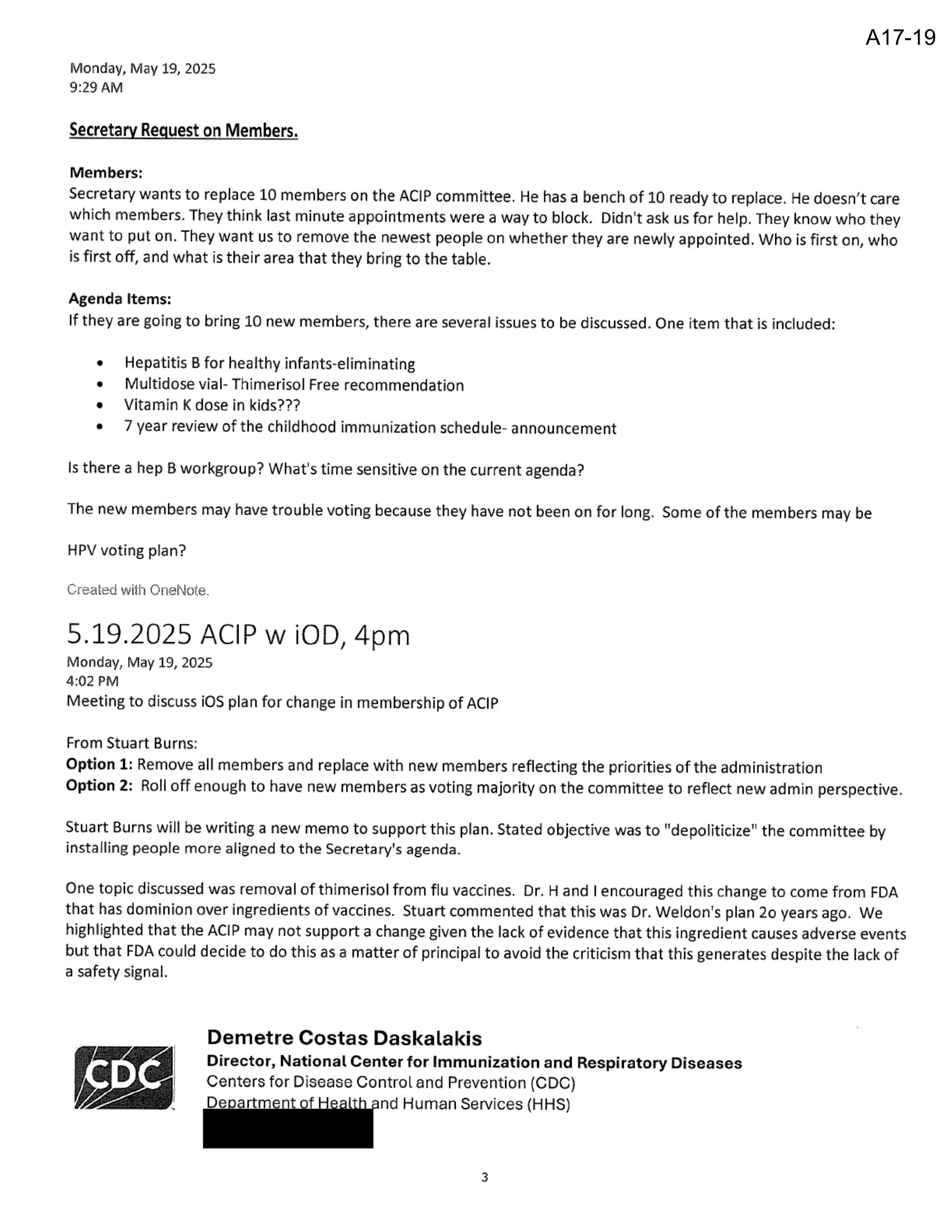
CDC relies on an outside panel to recommend which shots people get and when. The emails show aides planning options to rebuild it from scratch. Weeks later, Kennedy did it: HHS removed all 17 sitting ACIP members on June 9.
To get ready, staff were sent to a National Archives facility to pull 60 years of the panel’s history. One leader noted that the job took “28 boxes” at a moment when layoffs had left the agency short-staffed.
What he wanted from the data.
Kennedy has argued for years that vaccines cause autism. Decades of research have not found that vaccines cause autism.
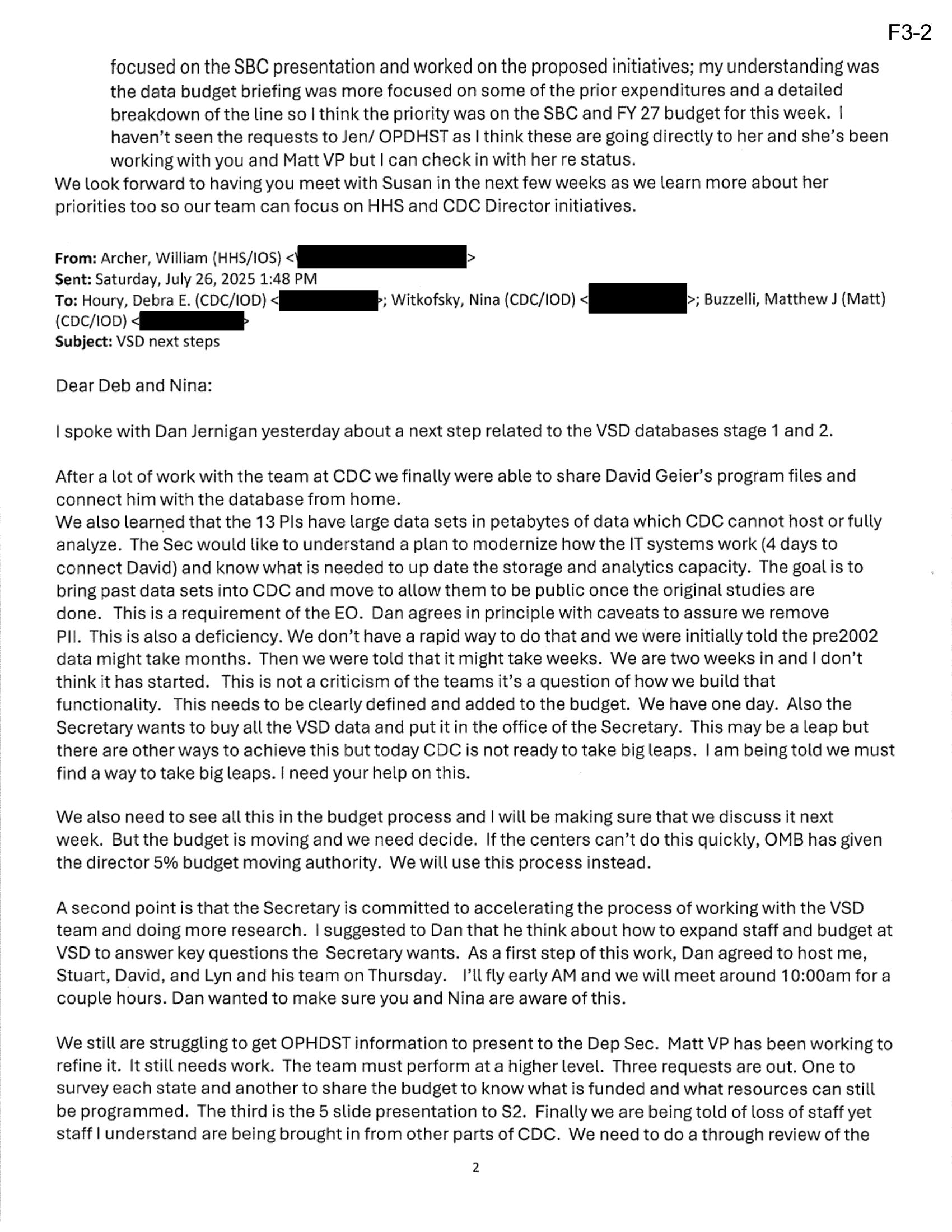
The emails show him pushing to take over the Vaccine Safety Datalink, a CDC database that uses electronic health-record data from participating health systems to monitor vaccine safety. One aide wrote that the secretary “wants to buy all the VSD data and put it in the office of the Secretary.” Staff also worked to give David Geier, an outside vaccine critic, access to it.
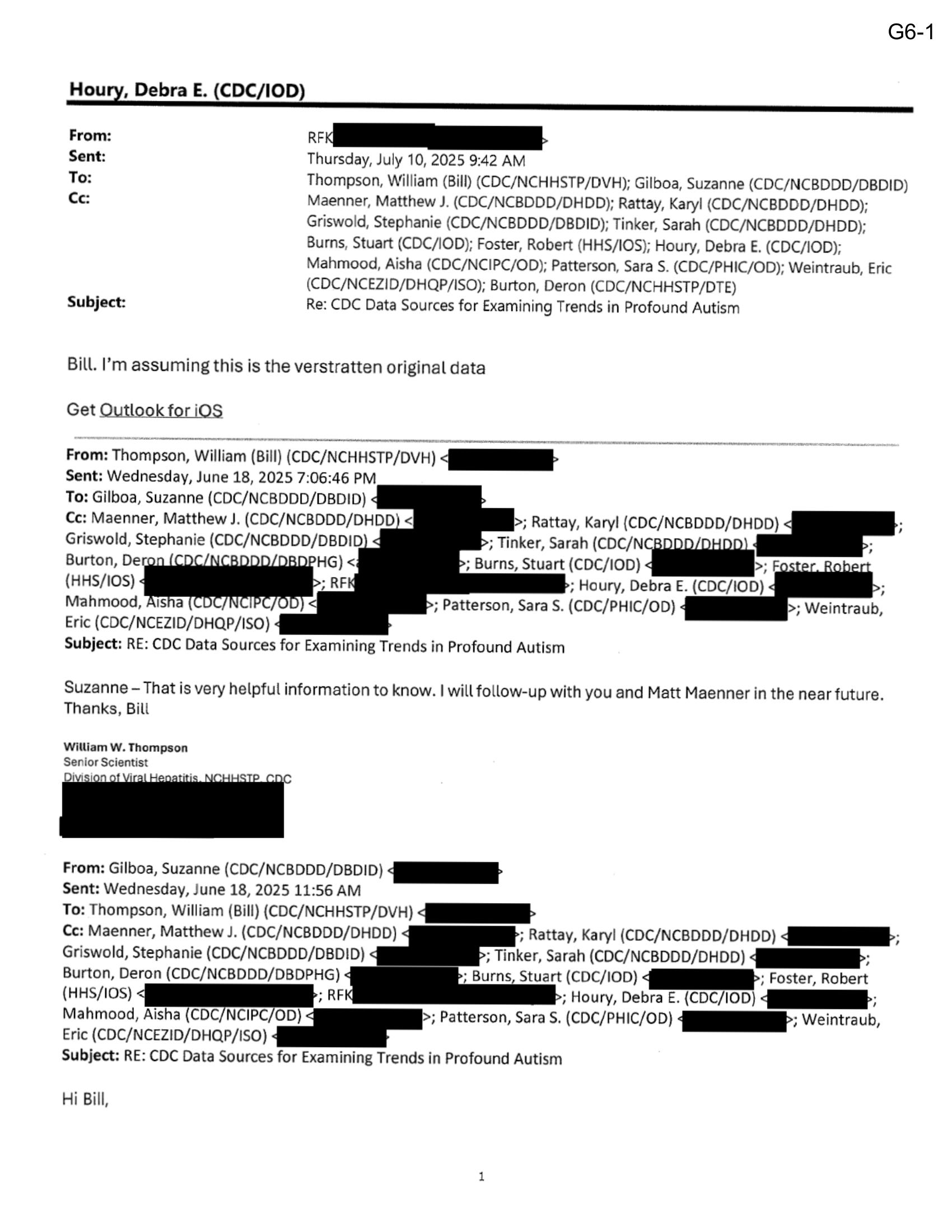
When Kennedy posted claims on X about a 1999 study, CDC scientists drafted a point-by-point reply for internal use. They laid out that the data were not lost, the data-sharing program was still running, and the original researcher had not been pressured to change his results.
The thimerosal memo
The sharpest example is a memo about thimerosal, a preservative the new panel voted against in flu shots.
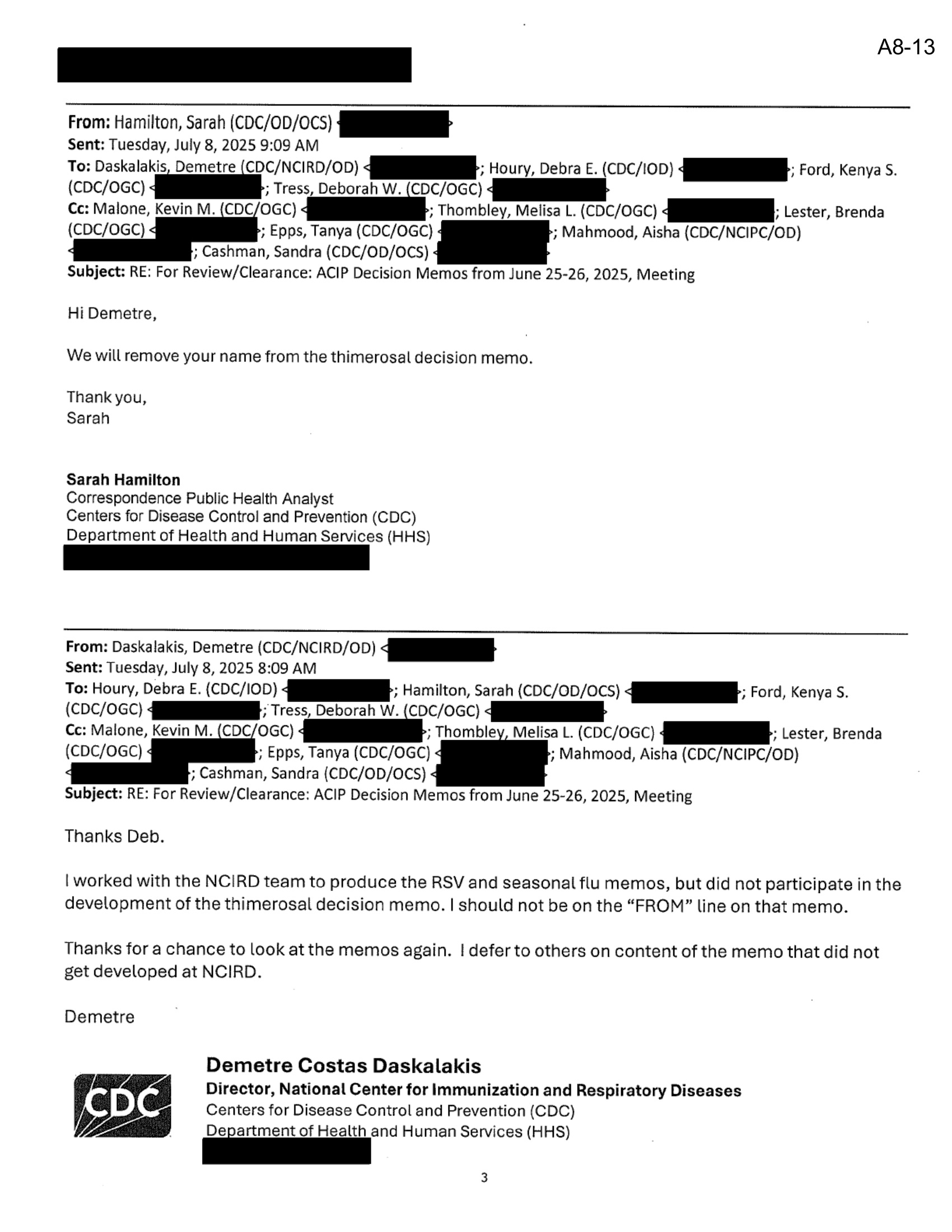
An early draft listed Dr. Demetre Daskalakis, head of CDC’s immunization center, on the “FROM” line. He hadn’t worked on it and asked to be taken off: he “did not participate in the development of the thimerosal decision memo” and “should not be on the ‘FROM’ line.” His name was removed. The memo still had to be signed, and CDC’s chief medical officer, Dr. Debra Houry, signed it, because that was the job. It also reached her before it had cleared general counsel, and she sent it back through the proper channel. It went through several rounds of edits before it was pared down to little more than a percentage.
In a separate thread, according to the released emails, leaders explored placing a longtime autism activist in charge of CDC’s birth defects center through a special science hiring authority. Human resources rejected the move, saying he did not meet scientific credential requirements.
What next?
The Senate health committee has these documents. It can hold hearings and ask, under oath, who gave which order. Medical societies and former panel members can weigh in on whether the new vaccine advice aligns with the evidence. The clinicians and parents who follow the childhood schedule have a stake in keeping it tied to data.
Update, July 6th: This section originally described the thimerosal memo as one "no one wanted their name on." Based on further reporting, that framing was too strong: a name was included on an early draft by mistake and removed, and CDC's chief medical officer signed the final memo. The section has been corrected.