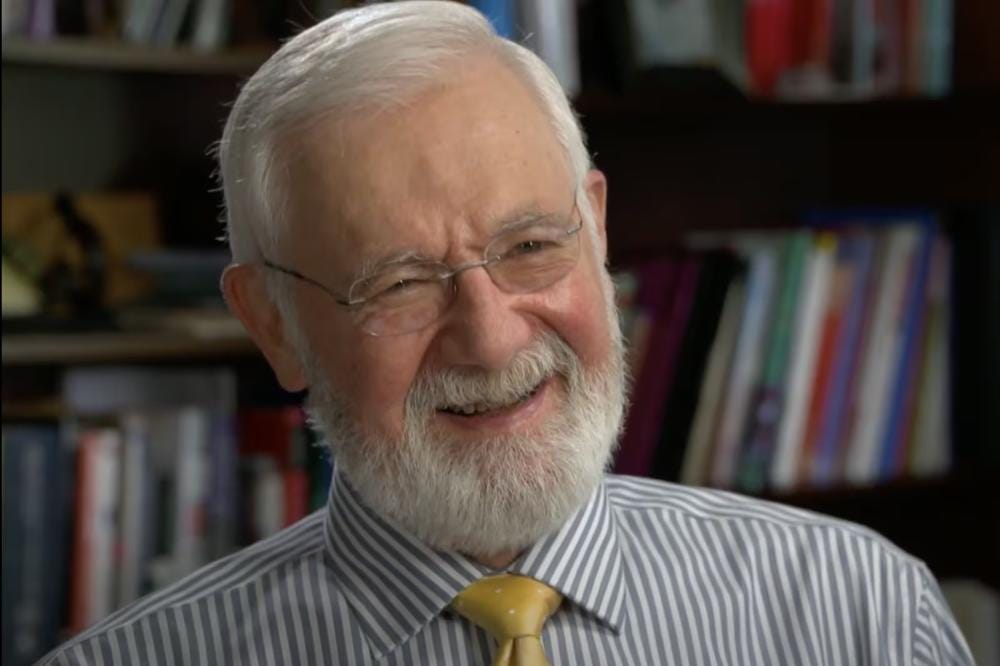
I keep thinking about one of the last things Bill Foege said to me: “Bet on the optimists. You need the optimist to say, ‘We’re going to try to do it.’”
He earned that line the hard way: in rooms where powerful people were angry, suspicious, or looking for an easier story. In the 1970s, at the height of the Cold War, he was hauled into the U.S. Embassy in New Delhi and accused of spreading smallpox because reported cases were surging. But the surge wasn’t a failure. It was the first sign the strategy was working. As Bill explained, when you finally go door to door and look, you find what has always been there, and only then can you contain it.
That’s the part I want to carry into this moment, when everything can feel loud, chaotic, and hopeless: optimism isn’t denial. It’s a decision to stay oriented toward action. Bill’s “optimists” weren’t sunny. They were disciplined. They were the people willing to tell the truth about what they were seeing, even when the numbers looked worse, and the politics got mean. They stayed focused on doing the next right thing.
Because when the world is on fire, the point isn’t to pretend it isn’t. The point is to find the burning house… and start carrying water.
Learn more about the history of smallpox eradication on Season 2 of my podcast Epidemic.